
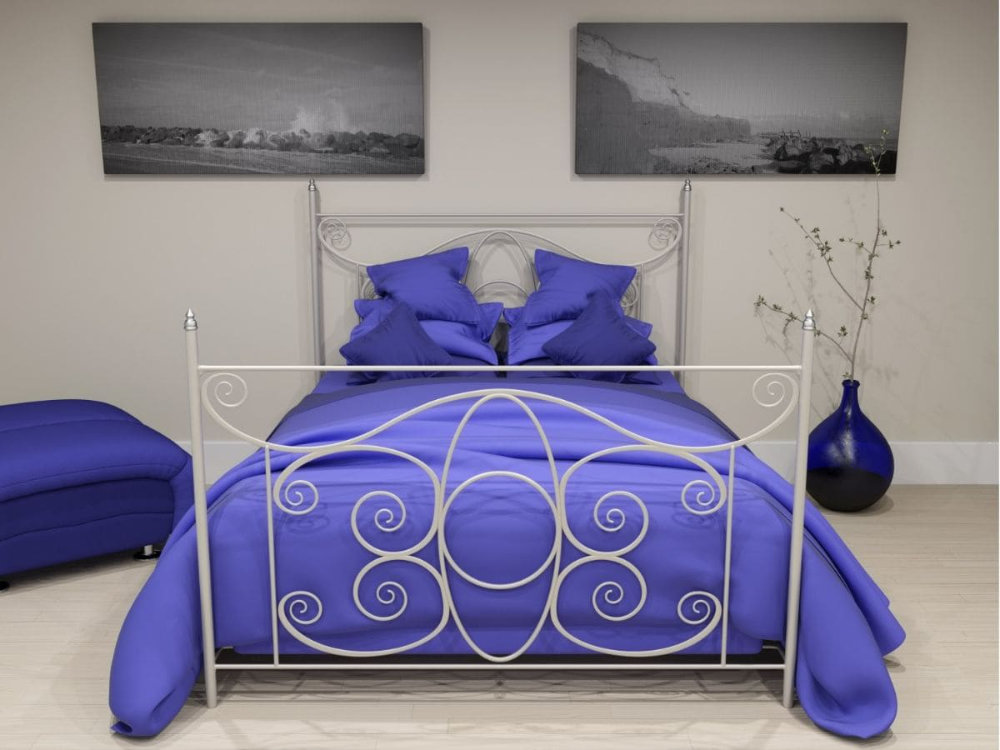
That changes the answer. Below, you’ll find a side-by-side comparison, the situations where each material wins, and what to check before you buy either one.
Key Takeaways
- Metal handles humidity better. Wood absorbs moisture from the air and swells, while a powder-coated steel frame keeps its shape.
- Termites can’t eat metal. Singapore’s most common termite feeds on wooden furniture, so a steel frame takes that risk off the table.
- No frame is bed bug proof. Metal is easier to inspect and wipe down, but bugs can still hide in joints and tube ends.
- Wood wins on looks and quiet. A solid wood frame feels warmer and rarely squeaks, which suits a master bedroom.
- Heavy use points to metal. Dorms, hostels, rentals, kids’ rooms and bunk setups get more years out of steel.
Metal vs Wood Bed Frame at a Glance
Here’s the short version. Choose metal for heavy use and humid rooms, and choose wood when style and a quiet, solid feel matter most. The table breaks it down.
| Factor | Metal bed frame | Wood bed frame |
|---|---|---|
| Best for | Dorms, hostels, rentals, kids’ rooms, bunks | Master bedrooms, long-term homes |
| Humidity | Steel doesn’t absorb moisture; a good coating resists surface rust | Absorbs moisture and swells; joints can loosen over time |
| Termites | Not a food source | At risk, especially untreated or softwood frames |
| Bed bugs | Fewer cracks to hide in, easy to wipe down | More cracks, joints and slats to check |
| Noise | Can squeak if bolts loosen | Usually quieter |
| Bunk beds and heavy use | Strong for its weight, common in dorms | Strong when solid, but much heavier |
| Cleaning | Wipe-clean finish | Needs care to avoid water marks and swelling |
| Moving and assembly | Light, flat-packed, quick to take apart | Heavy, slower to move |
| Look and feel | Clean, simple, cooler to the touch | Warm, natural, more style choices |
| Cost over time | Usually lower; little upkeep | Higher for solid hardwood; may need repairs or pest treatment |
Which lasts longer in Singapore’s humidity?
Metal usually does, as long as the coating is good.
Singapore’s daily mean relative humidity averaged 77.9% in 2024 and 81% in 2025 at the Changi climate station, according to NEA’s annual relative humidity data. That matters because wood constantly trades moisture with the air around it. Oregon State University Extension puts wood’s equilibrium moisture content at 15–16% when relative humidity sits around 80%. As moisture goes up, wood swells. When it dries out, it shrinks again.
Here’s what that movement means for a bed frame:
- Joints loosen over time. Every swell-and-shrink cycle works screws and dowels a little looser, which is why older wooden beds start to creak and wobble.
- Cheaper boards suffer most. Particleboard and MDF tend to swell and crumble at the edges when they take on moisture. Solid, kiln-dried hardwood with a proper sealed finish copes much better.
- Steel doesn’t absorb water. A metal frame keeps its shape no matter how sticky the weather gets.
The catch with metal is rust. Asia Furniture’s frames use electrostatic powder coating, which resists chips and scratches better than ordinary paint and helps protect the steel from surface rust. If you do chip the coating, touch it up quickly so moisture doesn’t get to the bare steel.
Does frame material matter on termites and bed bugs?

For termites, metal wins outright. For bed bugs, it helps, but it’s no guarantee.
Termites
Rentokil Singapore names Coptotermes, a subterranean termite, as the most common species here. These termites live in the soil, come into homes from the ground and feed on wooden furniture. They’re also drawn to moisture, so damp wood in a humid room makes an easy target.
A steel frame gives termites nothing to eat. If you go with wood, choose a frame that’s been treated against termites and keep it away from damp walls.
Bed bugs
This is where a lot of guides overstate things. The US EPA’s guide to finding bed bugs says they hide in mattress seams and tags and in cracks on the bed frame and headboard. It doesn’t say they avoid metal.
So be realistic:
- Metal has fewer hiding spots. A smooth, powder-coated tube has fewer cracks than a wooden frame with slats, panels and carved details.
- It’s easier to inspect and clean. You can wipe a metal frame down or steam it without worrying about water damage.
- It isn’t bug-proof. Bugs can still tuck into bolt holes, joints and open tube ends, so regular checks still matter.
Are metal bed frames noisy?
They can be. Most squeaks come from loose bolts or metal rubbing against metal, and both are easy to fix. Wood frames are usually quieter because wood dampens movement, although an old wooden frame with loose joints creaks too.
If your metal frame starts squeaking, try these in order:
- Tighten every bolt. Frames settle in the first few weeks, so give them a full check after a month.
- Add washers where metal meets metal. Plastic or rubber washers stop parts grinding against each other.
- Put pads under the legs. Felt or rubber pads stop the frame shifting on hard floors.
- Check the base. A loose slat or a sagging wire mesh section can also make noise.
For extra stability, Asia Furniture offers reinforcement plates and anti-wobble brackets as optional upgrades.
Strength, Weight Capacity and Bunk Beds
Metal gives you a lot of strength without much weight. That’s why it’s the usual choice for double deckers and bunk beds in dormitories, hostels and staff quarters.
A solid hardwood frame can be just as strong, but it’s far heavier. That makes it harder to move and harder to stack safely in a bunk layout. Cheaper wooden frames made from softwood or particleboard are a different story. They lose strength faster, especially once humidity has loosened the joints.
If you’re planning bunks for a dorm or staff housing, look at a double decker bed frame built from steel. Before you order, ask the supplier for the weight rating of each tier.
When a Wood Bed Frame Is the Better Choice
Wood isn’t the wrong choice. It’s just a better fit for some rooms than others.
A wood frame makes sense when:
- Looks matter most. Wood brings warmth and comes in far more styles, from minimalist platform beds to statement headboards.
- You want a quiet, solid feel. A well-built wooden bed rarely squeaks and feels sturdy underneath you.
- The bed stays put. In a master bedroom that’s air-conditioned at night and rarely moved, wood’s weaknesses matter much less.
- You’re buying for the long term. A good solid hardwood frame can last for years and is easy to refinish.
Before you buy, check three things. Make sure it’s solid hardwood, not particleboard dressed up with veneer. Ask whether it’s been treated against termites. Look for a sealed finish that keeps moisture out.
When Metal Is the Better Choice (Including Bulk Orders)
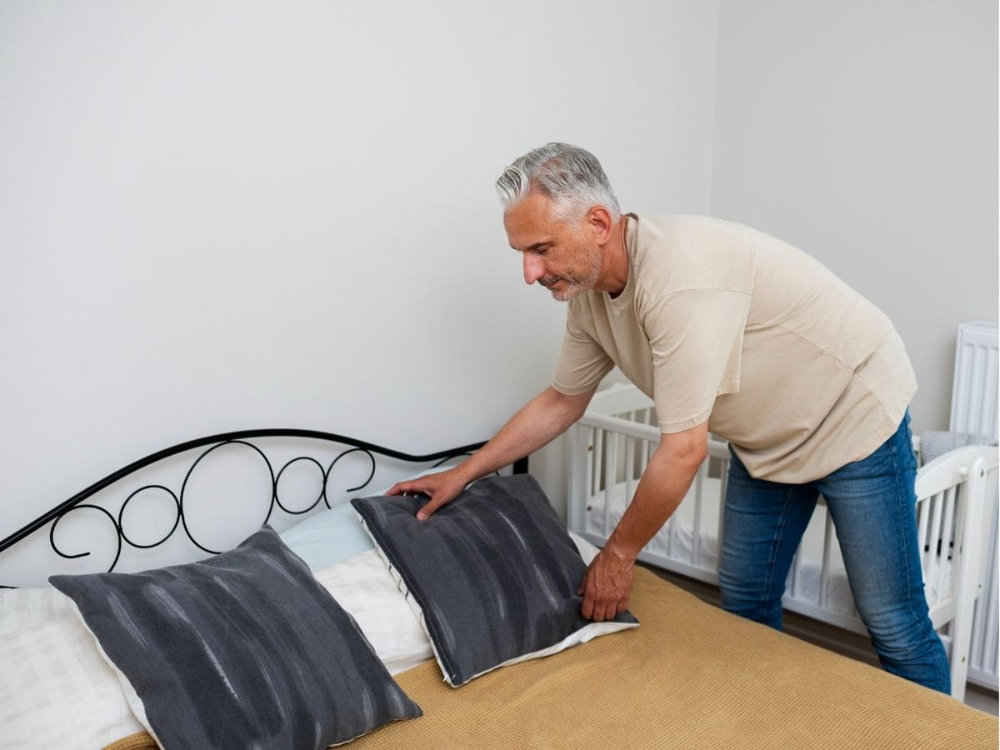
- Dormitories and hostels. Frames get heavy daily use, frequent cleaning and regular turnover, and metal stands up to all three.
- Staff quarters and workers’ housing. Flat-packed frames are easy to ship, install and swap out across many rooms, alongside the rest of your dormitory furniture.
- Rentals. Tenants come and go, so a frame that’s light enough to move and quick to clean saves time between leases.
- Kids’ rooms. A wipe-clean frame that holds up to climbing and jumping beats one that dents or splinters.
- Humid or poorly ventilated rooms. If the room isn’t air-conditioned, steel won’t swell the way wood does.
Prefer a firmer, solid surface? You can lay a plywood bed board over a metal frame. It gives you the flat feel of a wood platform with the practicality of steel underneath.
If you’re fitting out 20 beds or 200, the numbers add up quickly. A frame that doesn’t need pest treatment, refinishing or early replacement costs less per year of use. Asia Furniture supplies metal bed frames in Singapore for dormitories and hostels, and the team can quote for bulk orders and custom sizes.
Frequently Asked Questions
What is the lifespan of a metal bed frame?
It depends on the steel thickness, the quality of the coating and how hard the bed gets used. A well-made, powder-coated frame that’s kept dry, has its bolts tightened now and then and gets any chips touched up can last many years, even in a busy dormitory.
Can I put a mattress directly on a metal bed frame?
Yes. Metal frames with a wire mesh, metal slat or U-base platform are built to hold a mattress without a box spring. If you want a firmer or flatter surface, add a plywood bed board between the frame and the mattress.
What are the disadvantages of a metal bed frame?
Metal frames can squeak when bolts loosen, they feel cooler to the touch than wood, and the coating can chip if the frame gets knocked around. Style choices are also narrower. Most of these are easy to manage with regular tightening, a few rubber washers and quick touch-ups.
Is a wooden bed frame better for back problems?
Not really. Back support comes mainly from your mattress and the base underneath it, not from whether the frame is wood or metal. A firm, even base, such as metal slats or a plywood board, matters more than the frame material.
