
Office Chairs
-
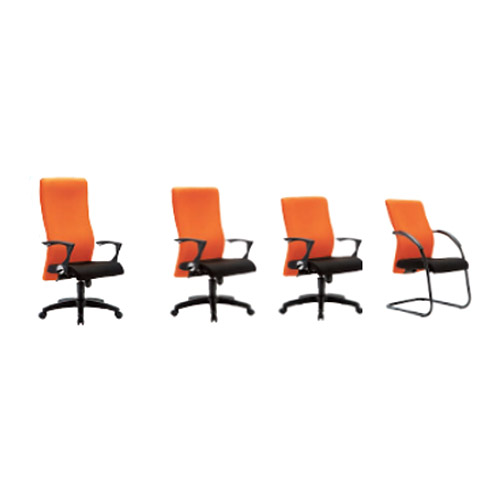
OC-KEERAH OFFICE CHAIR
-
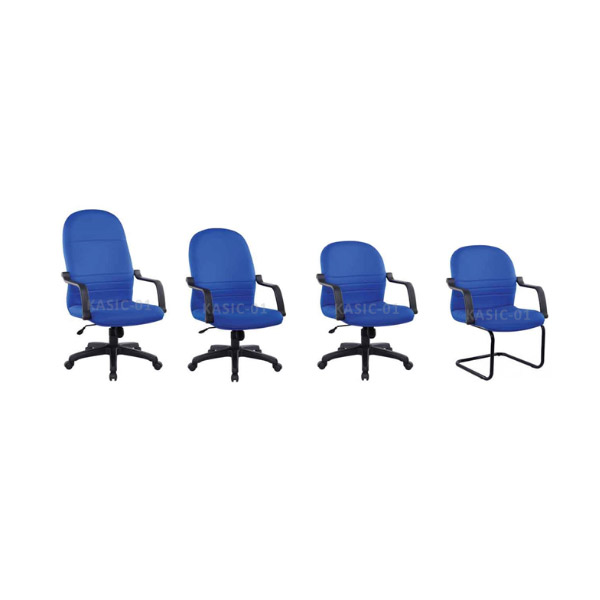
OC-KASIC-01 OFFICE CHAIR
-
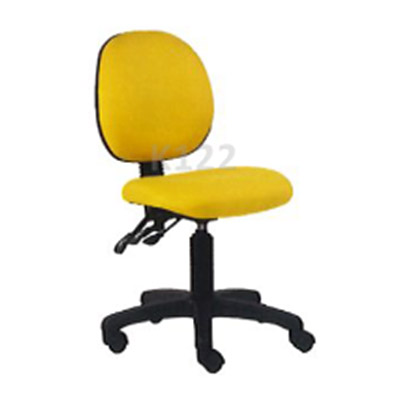
OC-KYPIST 122 OFFICE CHAIR
-
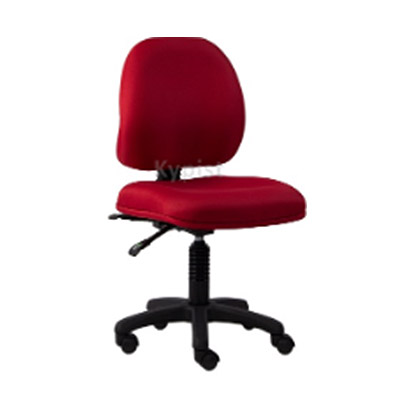
OC-KYPIST I LOWBACK OFFICE CHAIR
-
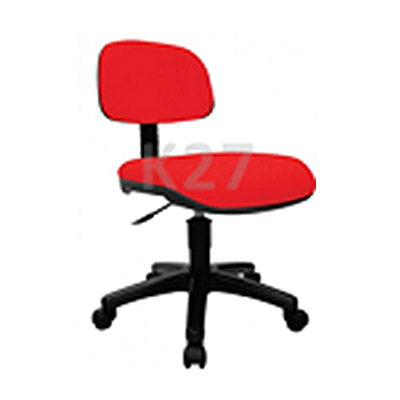
OC-27 TYPIST LOW BACK CHAIR
-
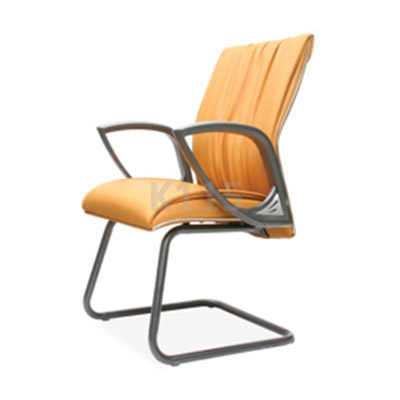
OC-115-VTA-BC VISITOR CHAIR WITH BLACK CANTILEVER BASE
-

K108(M) Midback Office Chair (MESH) with Armrests and Polypropylene Roller Chair Base
-
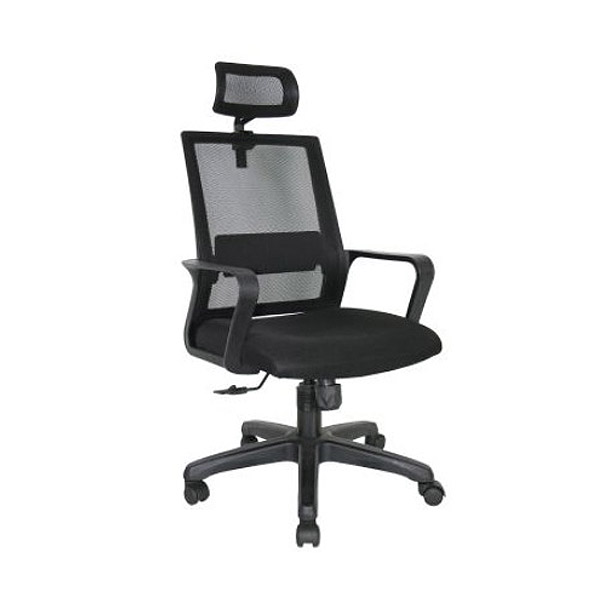
K108(H) Highback Office Chair (MESH) with Armrests and Polypropylene Roller Chair Base
-
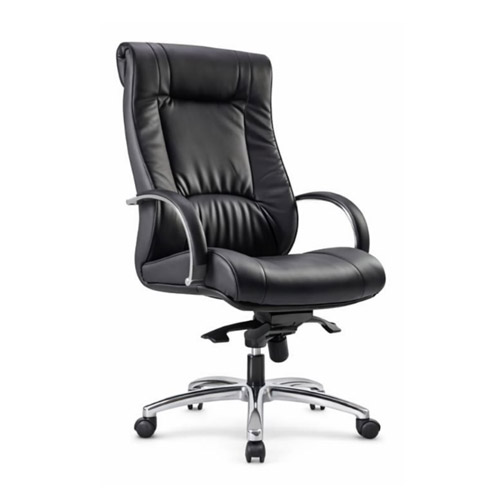
AFC-KESS(M) MEDIUMBACK LEATHER CHAIR
-
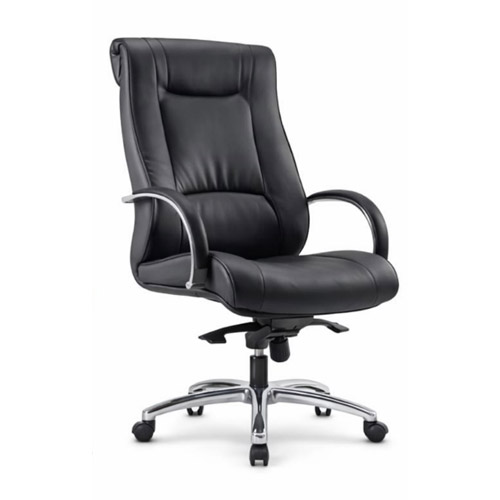
AFC-KESS(H) HIGHBACK LEATHER CHAIR
-
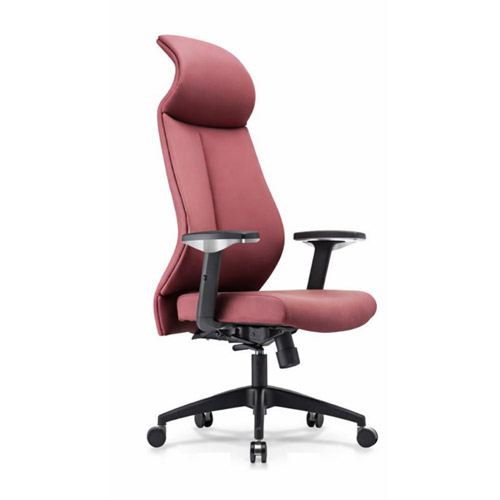
AFC-KELT(H) HIGHBACK LEATHER CHAIR
-
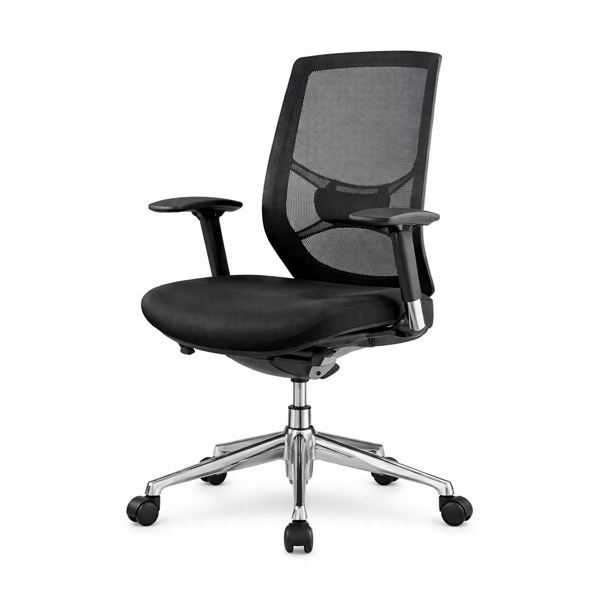
AFC-KASY(L) LOWBACK MESH CHAIR
-
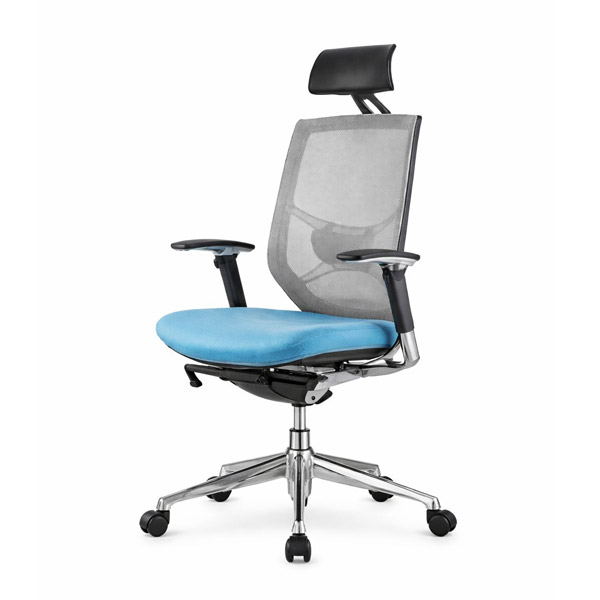
AFC-KASY(H) HIGHBACK MESH CHAIR
-
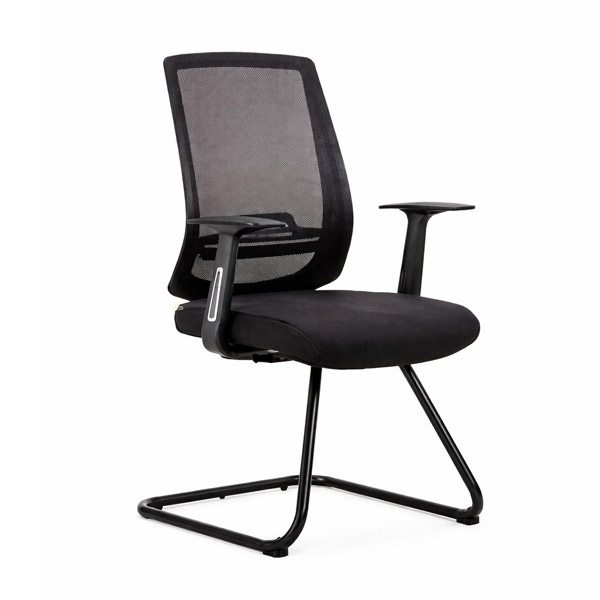
OC-KANE(V) VISITOR MESH CHAIR
-
OC-180B MEDIUMBACK OFFICE CHAIR (MESH & FABRIC) CHROME ROLLER CHAIR BASE
-
OC-180A HIGHBACK OFFICE CHAIR (MESH & FABRIC) CHROME ROLLER CHAIR BASE WITH HEADREST
-
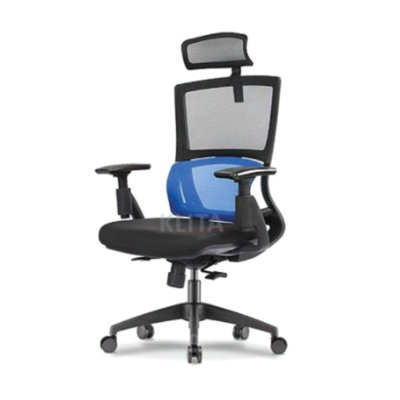
OC-KLITA HIGHBACK ERGONOMIC OFFICE CHAIR
-
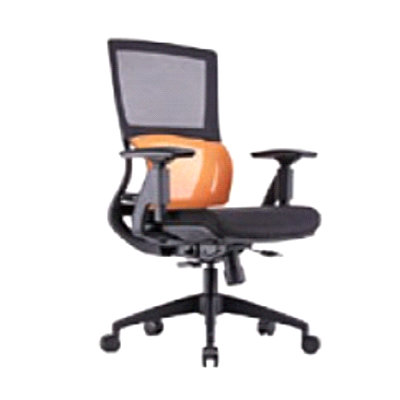
OC-KLITA MEDIUMBACK ERGONOMIC OFFICE CHAIR
-
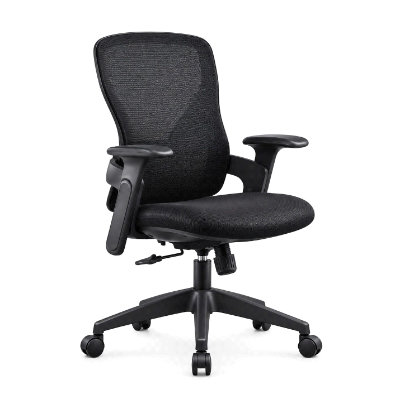
OC-216(M) MEDIUMBACK OFFICE CHAIR (MESH)
-
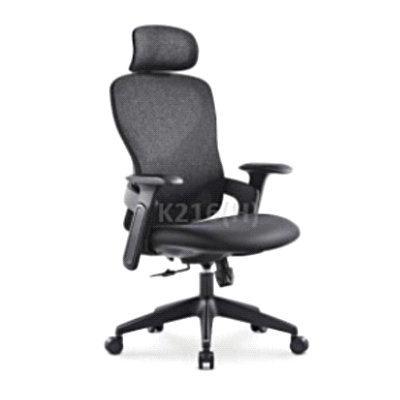
OC-216(H) HIGHBACK OFFICE CHAIR (MESH)
-
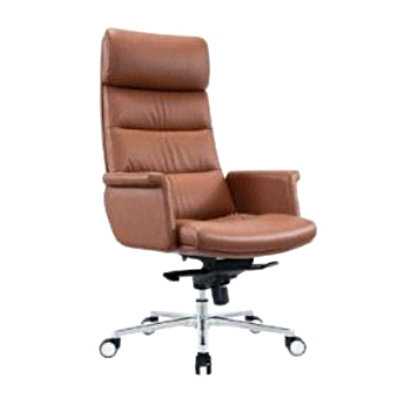
OC-297A-PU HIGHBACK OFFICE CHAIR (LEATHER) CHROME ROLLER CHAIR BASE
-
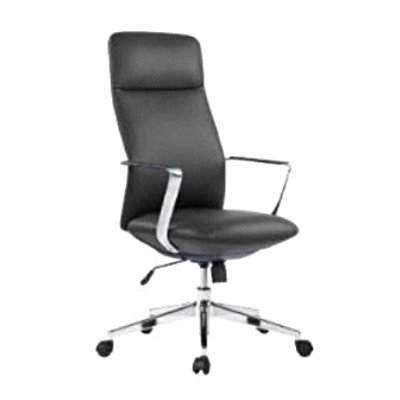
OC-527A-PU HIGHBACK OFFICE CHAIR (LEATHER) CHROME ROLLER CHAIR BASE
-
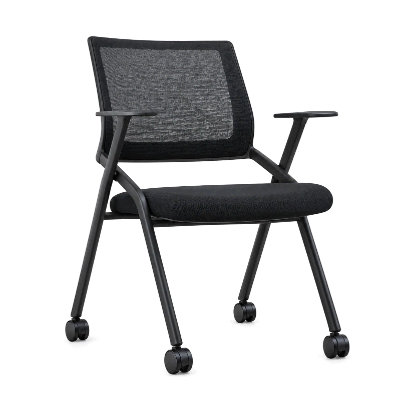
OC-5002 HORIZONTALLY-STACKABLE TRAINING CHAIR (MESH/FABRIC) WITH ARMRESTS AND W/O TABLET
-
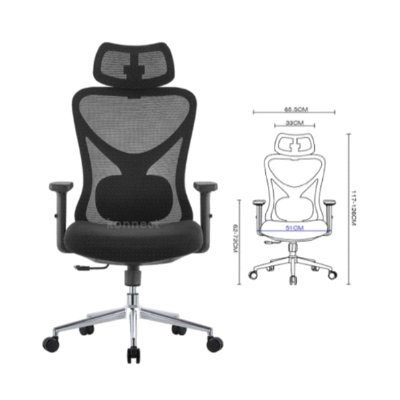
OC-KEXO HIGHBACK OFFICE CHAIR (MESH) WITH ALUMINIUM ROLLER CHAIR BASE
Adjustable Lumbar Support and Key Ergonomic Features
Sitting for long hours without this support often leads to chronic discomfort.
This is exactly why ergonomic office chairs are worth the investment, as a chair with adjustable lumbar support will maintain your spine’s proper alignment, no matter how you sit.
Besides lumbar support, you should also look for these key ergonomic features.
- Adjustable lumbar support: This lets you fine-tune the support to the precise height and depth of your lower back’s curve. It’s far better than a fixed bump that might not be in the right spot for you.
- Seat height adjustment: You should be able to place your feet flat on the floor with your thighs nearly parallel to it. This takes pressure off the back of your thighs and helps with circulation.
- Backrest recline and tilt: Since no single position is healthy for long periods, this feature allows you to shift your posture throughout the day. A tilt-lock mechanism will hold the chair at your preferred angle.
- Adjustable armrests: When your forearms are supported, your shoulders can relax, which reduces tension in your neck and upper back.
- Seat depth: A small gap should exist between the front edge of the seat and the back of your knees to avoid putting pressure on your legs.
- Breathable backrest: This is especially important in Singapore’s climate. A mesh back allows air to circulate, preventing the heat build-up that’s common with solid upholstery.
Height Adjustable Options and Ergonomic Designs
Most modern task chairs have a pneumatic gas lift for easy height adjustment, but that’s only part of what makes a design truly ergonomic.
The best office chair options also let you adjust the backrest’s height and recline, accommodating different body types and tasks.
| Backrest Design | What It Supports | Best Suited For |
|---|---|---|
| Lowback | Lower and mid-back, with a compact footprint | Typist and task roles, shorter sessions, tighter workstations |
| Midback / Mediumback | Lower back up to the shoulder blades | General office work, balancing support and freedom of movement |
| Highback | Full back, including upper back and neck/head | Long sitting periods, management roles, focused desk-bound work |
Setting up your height-adjustable chair is simple. Follow this sequence to find a healthy posture quickly:
- Set the seat height first. Sit all the way back in the chair. Adjust its height until your feet are flat on the floor with your knees at roughly a 90-degree angle.
- Position the lumbar support. Move the support until it fits into the natural curve of your lower back. It should feel supportive without pushing you forward.
- Set the backrest angle. Instead of sitting perfectly upright, try a slight recline of 100 to 110 degrees. This angle often feels more comfortable because it takes pressure off your spine.
- Adjust the armrests. Your armrests should be at a height that lets your elbows bend at about 90 degrees while your shoulders remain relaxed.
- Check the seat depth. Make sure you can fit two or three fingers between the edge of the seat and the back of your knees.
Materials, Build Quality, and Ergonomic Support
When choosing the right office furniture, it’s important to understand how a chair’s material affects comfort, durability, and breathability.
Let’s break down the differences between the three main options: mesh, fabric, and leather.
| Material | Strengths | Considerations | Typical Use |
|---|---|---|---|
| Mesh | Excellent breathability, keeps you cool, lightweight, modern look | Less cushioned than padded seats | Hot climates, long sitting periods, task and management roles |
| Fabric | Comfortable padding, wide colour range, good value | Can retain heat and absorb spills if not treated | General office and typist roles |
| Leather / PVC | Premium appearance, easy to wipe clean, durable surface | Less breathable, warmer to sit on | Executive offices, meeting rooms, client-facing spaces |
Beyond the upholstery, the build quality comes down to parts you can’t always see at first glance:
- The base: For the best stability and resistance to tipping, look for a five-star base. Polypropylene roller bases are durable and glide smoothly across most floors. Cantilever bases, often found on guest chairs, offer a slight flex and a fixed, professional appearance.
- The castors: Choosing smooth-rolling castors suited to your floor type is key. This prevents damage to your floor and saves you from straining to drag the chair around.
- The gas lift: A quality pneumatic cylinder will hold its height for years. If you find your chair slowly sinking, it’s a tell-tale sign of a worn-out cylinder.
- The mechanism: The tilt and recline mechanism is the chair’s hardest-working part. Robust construction here is what separates a chair that lasts a decade from one that develops a wobble within a year.
- The frame and stitching: Pay attention to the details. Reinforced seams on fabric and leather, along with a well-tensioned mesh panel that doesn’t sag, are all signs of careful manufacturing.
Care, Maintenance, and Longevity Tips
Think of your new office chair as a long-term investment. Taking care of it properly will ensure it lasts for years, but neglect can shorten its lifespan significantly.
The good news is that maintaining your chair is simple and doesn’t take much time.
Routine Cleaning by Material
- Mesh: Use a vacuum with a brush attachment to gently lift dust. You can wipe down the frame with a damp cloth, but don’t soak the mesh itself, as that can cause it to stretch.
- Fabric: Vacuum your fabric chair regularly. If you spill something, spot-clean it right away with a mild upholstery cleaner. Be sure to blot the stain instead of rubbing it.
- Leather and PVC: A quick wipe with a soft, slightly damp cloth is all you need, but be sure to dry it immediately. Steer clear of harsh solvents and try to keep the chair out of direct sunlight, which can cause cracking and fading.
Mechanical Maintenance
- Check the castors monthly. Hair and dust can build up and stop the wheels from rolling smoothly. A quick clean will keep them gliding and protect your floors.
- Inspect bolts and screws quarterly. Daily use can loosen parts over time. Tightening them every few months prevents wobbling and extra wear and tear.
- Test the gas lift. If your chair slowly sinks while you’re sitting in it, the pneumatic cylinder is likely failing. You can usually replace just the cylinder instead of the whole chair.
- Lubricate moving parts as needed. A little lubricant on the tilt mechanism and castor axles will keep everything moving quietly and smoothly.
Habits That Extend Chair Life
- Observe the weight rating. Avoid standing on your chair or using it as a step stool, as this puts unnecessary stress on the base and gas lift.
- Distribute wear. Try to adjust your posture and recline angle throughout the day instead of sitting in the exact same position all the time.
- Keep chairs away from direct, prolonged sunlight to prevent fading and material damage.
- Use a chair mat on hard floors to protect both the castors and your flooring from scratches.
Choose An Ergonomic Chair: Buyer Checklist
Choosing the right office chair can be overwhelming. A simple checklist helps you focus on what really matters: finding a chair that fits the user, the job, and your budget.
- Who will use it, and for how long each day? Someone sitting for eight hours needs more robust ergonomic features, like a midback or highback design, compared to a chair for occasional use.
- Does it offer adjustable lumbar support? For anyone working at a desk for long periods, this is essential. If the lumbar support is fixed, make sure it hits the right spot for the user.
- How many adjustable features does it have? At a minimum, you’ll want adjustable seat height. Better chairs also let you adjust the backrest recline, armrest height, and seat depth. The more adjustments, the more people it will comfortably fit.
- Is the material right for the environment? Mesh is great for Singapore’s warm climate because it’s breathable. Fabric offers comfort and value, while leather or PVC works well in executive or client-facing areas.
- What back height suits the role? A low-back chair is good for typists in compact spaces. A midback works for most general office tasks. Highback chairs are best for managers or anyone who needs full upper-back and neck support during long hours.
- Are the armrests appropriate? Adjustable armrests help relax the shoulders by supporting the forearms. However, some jobs require armless chairs that can be tucked completely under a desk for better mobility.
- Is the build quality sound? Look for a stable five-star base, castors that roll smoothly on your floor, a dependable gas lift, and a solid tilt mechanism. These components are key to a chair’s longevity.
- Does it fit the workstation and the user’s build? Always check that the seat dimensions and weight capacity are right for the person who will use it, and ensure the chair fits properly under the desk.
- Are you buying in volume? When furnishing an entire office, you’ll need to think about a consistent model, coordinated delivery, and on-site installation. Talking to the supplier can reveal options you might not see online.
- Have you tried it where possible? Comfort is subjective. If you can, sit in a chair before placing a large order. It’s the best way to know if it’s the right fit.
Frequently Asked Questions
What types of office chairs does Asia Furniture Co. offer?
Asia Furniture Co. provides a diverse range of office chairs for any workplace. You can find fabric typist chairs, mesh ergonomic chairs, premium leather executive chairs, and visitor chairs. We offer them in lowback, midback, and highback designs, with or without armrests, to fit different roles and spaces.
Are the office chairs designed with ergonomics in mind?
Yes, we design all our ergonomic furniture with good posture as a core principle. Our chairs feature mesh backrests, adjustable mechanisms, and supportive cushioning to prioritise breathability and all-day comfort, which helps reduce the strain from sitting for long hours.
What is the difference between mesh, fabric, and leather office chairs?
Each material has distinct advantages. Mesh chairs keep you cool and are great for active workspaces. Fabric chairs are a versatile and affordable choice for everyday comfort. Leather chairs offer a polished, professional look perfect for management offices.
Do you offer chairs suitable for executives and management offices?
Yes, we have a dedicated range of premium executive chairs. Our AFC-KESS and AFC-KELT highback leather models are specifically designed for directors and senior staff, blending sophisticated style with exceptional comfort.
Are visitor and guest chairs available alongside the regular office chairs?
Yes, we carry visitor chairs to help you create a consistent look throughout your office. Our selection includes the K115-VTA-BC guest chair and the AFC-KANE visitor mesh chair, which work well in meeting rooms, reception areas, and client spaces.
How do I enquire about or order office chairs from Asia Furniture Co.?
There are two easy ways to get in touch. You can browse our office chairs online, click “Add to Enquiry” on your chosen models, and submit the enquiry cart. Or, feel free to contact our team directly by phone, WhatsApp, or email for personalised advice and help with your order.
